What is Porto’s Travel Season?
Porto experiences a Mediterranean climate, making it a year-round destination, but the best times to visit are in spring (March to June) and early autumn (September to October). During these months, the weather is mild, with temperatures ranging from 15°C to 25°C (59°F to 77°F), and the city is less crowded compared to the peak summer months.
Peak season is during the summer (July and August) when temperatures can soar above 30°C (86°F), and tourists flock to the city for its vibrant festivals and events. Conversely, the winter months (December to February) see fewer tourists, with cooler temperatures averaging around 10°C (50°F). This off-peak season can be a great time to explore Porto’s indoor attractions and enjoy lower accommodation prices.
Places to Visit in Porto
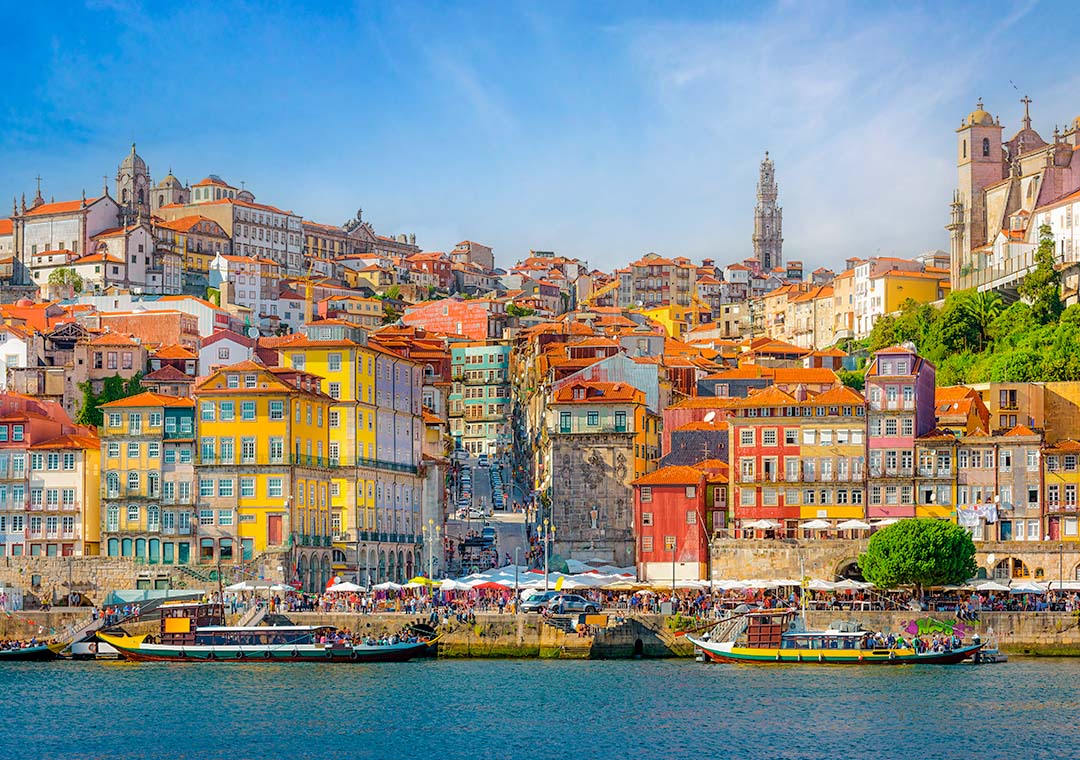
- Ribeira District: This UNESCO World Heritage site is known for its colorful buildings along the Douro River, lively atmosphere, and picturesque views. It’s the perfect place for a stroll or to enjoy a meal by the waterfront.
- Dom Luís I Bridge: An iconic double-deck iron bridge that connects Porto to Vila Nova de Gaia. Walking across provides stunning panoramic views of the city and river.
- Livraria Lello: Often cited as one of the most beautiful bookstores in the world, its ornate architecture and stunning staircase make it a must-visit for book lovers and architecture enthusiasts.
- Clérigos Tower: A baroque bell tower offering breathtaking views of the city from its top. Climbing the 240 steps is worth the effort for the panoramic vistas.
- Port Wine Cellars: Located in Vila Nova de Gaia, these cellars offer tours and tastings of the famous port wine. Learn about the wine-making process and enjoy sampling different varieties.
- Serralves Museum: A contemporary art museum set in a beautiful park that also features a stunning Art Deco villa. It’s a cultural hub that hosts various exhibitions and events.
Top Things to Do in Porto
- Take a Boat Tour: Explore the Douro River on a traditional rabelo boat. This is a unique perspective on the city, with views of historic sites and the stunning landscape.
- Visit São Bento Railway Station: Renowned for its beautiful azulejos (ceramic tiles), this station depicts historical scenes from Portugal’s past and is a stunning example of the country’s art.
- Explore Mercado do Bolhão: A traditional market for fresh produce, local delicacies, and artisan goods. It’s a great place to experience local culture and cuisine.
- Attend a Fado Show: Experience traditional Portuguese music in the intimate setting of a local bar or restaurant. The soulful melodies of Fado are an integral part of Porto’s cultural heritage.
- Join a Food Tour: Taste the local cuisine with guided food tours that showcase Porto’s culinary delights, including petiscos (small plates), francesinha, and more.
Porto 3-Day Itinerary
Day 1: Explore the Historic Center
- Morning: Start with breakfast at a local café, then visit São Bento Railway Station to admire the tile work. Next, head to the Clérigos Tower for panoramic views.
- Afternoon: Explore Livraria Lello followed by a visit to the Church of São Francisco, famous for its ornate baroque interior.
- Evening: Dinner in the Ribeira District, followed by a stroll along the riverbank.
Day 2: Discover the Wine and Culture
- Morning: Take a guided tour of the Port Wine Cellars in Vila Nova de Gaia. Sample various ports and learn about their history.
- Afternoon: Visit the Serralves Museum and its beautiful gardens. Enjoy lunch at the museum café.
- Evening: Attend a Fado performance for dinner in a traditional restaurant.
Day 3: Nature and Relaxation
- Morning: Stroll through the Crystal Palace Gardens, enjoying views of the Douro River.
- Afternoon: Visit the FC Porto Museum and Estádio do Dragão for a taste of the local sports culture.
- Evening: End your trip with a sunset boat cruise on the Douro River.
Porto Transport Options
Porto has an efficient public transport system, including buses, trams, and the metro. The metro is particularly convenient for getting around the city and to the airport. A single ticket costs around €1.20 and can be purchased at metro stations.
Taxis and rideshare services like Uber are widely available, offering a more direct way to reach your destination. For those who prefer to drive, car rentals are available, but parking can be limited in the city center.
Walking is highly recommended, especially in the historic areas where many attractions are within walking distance. The city is steep, so be prepared for some uphill walks!
What Does it Cost to Visit Porto?
Accommodation costs vary widely, with budget hostels starting at €15 per night, mid-range hotels around €70-€150, and luxury options upwards of €200. Food is affordable, with meals at local restaurants averaging €10-€20, while street food can be as low as €4.
Attractions often charge entrance fees; for example, Livraria Lello has a fee of €5, which can be used towards book purchases. Public transportation is economical, with a metro ticket costing around €1.20.
Overall, a budget traveler can expect to spend around €50-€70 per day, while a mid-range traveler might spend €100-€150.
Porto Food and Dining
Porto’s cuisine is rich and varied, heavily influenced by its coastal location. Must-try dishes include:
- Francesinha: A hearty sandwich layered with cured meats, sausage, and cheese, smothered in a spicy tomato and beer sauce.
- Caldo Verde: A traditional Portuguese soup made with potatoes, kale, and chorizo, perfect for warming up on a cool day.
- Bacalhau à Gomes de Sá: A classic cod dish baked with onions, potatoes, and olives.
- Pasteis de Nata: Delicious custard tarts that are a must-try for dessert.
Recommended dining spots include Mercado do Bolhão for local delicacies, Taberna da Ribeira for authentic Portuguese fare, and Casa da Mariquinhas for a cozy Fado dining experience.
Where to Stay in Porto
Porto offers a range of accommodations to suit all budgets:
- Budget: Look for hostels like Gallery Hostel or Porto Spot Hostel in the Cedofeita area.
- Mid-range: Hotel Infante Sagres and Hotel Teatro offer comfortable stays with good amenities in central locations.
- Luxury: For a high-end experience, consider the Yeatman Hotel, which boasts stunning views of the Douro River and top-notch services.
Best neighborhoods to stay include Ribeira for its picturesque views and lively atmosphere, Cedofeita for artsy vibes, and Boavista for a more residential feel with easy access to public transport.
Porto FAQs
Is Porto safe for tourists?
Yes, Porto is generally considered safe for tourists, though it’s always wise to take usual precautions against pickpockets in crowded areas.
What language is spoken in Porto?
The official language is Portuguese, but many people in the tourism industry speak English.
Do I need a visa to visit Porto?
Visa requirements depend on your nationality. EU citizens can enter with just an ID, while others may require a Schengen visa.
Porto Travel Tips
When visiting Porto, consider the following tips:
- Wear comfortable shoes for walking, as the city is hilly and many streets are cobbled.
- Try to learn a few basic Portuguese phrases; locals appreciate the effort.
- Be mindful of restaurant opening hours, as many close between lunch and dinner.
- Check for local festivals or events during your visit, as these can enhance your experience.
- Keep an eye on your belongings, especially in busy tourist spots and on public transport.